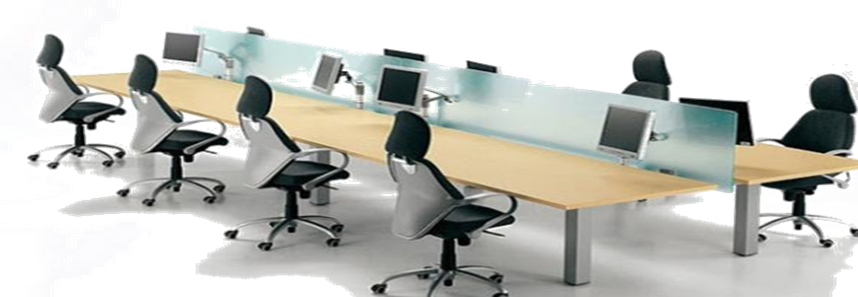


The Facilities Manager Rules in Facilities Management is managing the services and operations that support the core business of the organization and ensure that best practices are followed to achieve maximum efficiency and that the work environment is appropriate for employees and various activities.
Moreover, The discipline of facilities management, especially the role of facility managers, has developed to the point where many managers work on two levels: strategic, planning and operational. In the previous case, the owners need to obtain information about the potential impact of their decisions on the provision of venue and services. In the latter, Manager Rules in Facilities Management are to ensure the proper operation of all aspects of the building, to create an optimal environment for residents. This is done by managing some of the following activities:
- Firstly, Environmental health and safety
- Cleanliness of the building.
- Trash disposal.
- OSHA (occupational health and safety) regulations can be different depending on the type of building. Like hospital.
- Then, Compliance (for hazardous materials)
- Mechanical systems.
- HVAC equipment (heating, ventilation, air conditioning and refrigeration).
- Thirdly, Indoor air quality
- Temperature control.
- Preventive maintenance (scheduled maintenance to prevent breakdowns) – Predictive maintenance (using equipment or tests to predict when maintenance is needed) – Lifts maintenance.
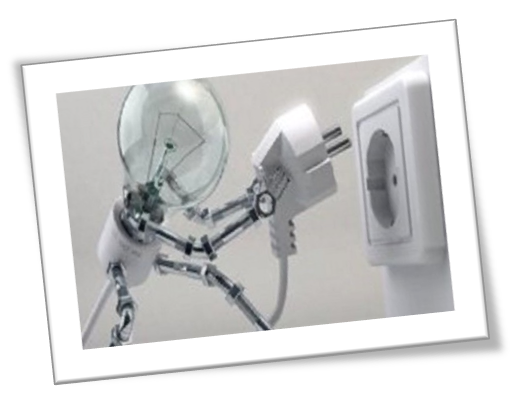
- Power systems
- Regular power.
- Electric stations
- Keys.
- Emergency electrical power systems.
- Uninterruptible power supply (UPS) systems
- Standby generators.
- Building systems.
- Automatic building systems – building control systems – security, and locks.
- Life/Safety Regulations
- Watering systems – fire detection systems – fire extinguishers.
- Gas extinguishers
- FM-200.
- FE-25.
- Halon.
- Signs – Evacuation plans.
- Finally, Venue management
- Office space planning – systems and furniture installation.
To Learn More about facility management click here.